November 15, 2026
If you need to move a sofa across town, or shift a few large items like a wardrobe or bed frame, a man and van is usually the most practical choice. You can book one through an app, a delivery marketplace or a local firm. What changes that answer is lifting help, stairs and access: full removals suit whole-house moves, and DIY van hire suits people who are happy to lift and drive themselves.
This guide is for UK householders moving one sofa or a few heavy pieces a short distance. It covers the realistic options, how to check your sofa will fit, what drives the price and what to ask before you pay anyone.
Book a man and van with two people lifting, unless you can bring the second helper yourself. Get two or three quotes, for example from a local firm, an app and a marketplace. Compare what each one covers, the minimum hours, the number of helpers, parking and the terms, rather than the headline rate. Measure the sofa, doorways and stairs first, and get written confirmation of what is included.
The details at each end matter more than the vehicle. A three-seater going from a ground-floor flat to a house with a driveway is a simple job. Put the same sofa up three flights of stairs, with no lift and permit-only parking, and it becomes a different job altogether.
Before you ask for quotes, write down:
The Health and Safety Executive’s manual handling guidance says the law sets no specific weight limit. That means no weight counts as automatically safe. The HSE’s L23 guidance also notes that pushing or pulling furniture without wheels is harder than handling wheeled items. Decide how many people you need before the day, not on the doorstep.
We based the descriptions of named companies on their own homepages, contact pages and the subject pages linked here. Check each provider’s current terms before you book.
| Option | How it works | Best for | Things to check |
|---|---|---|---|
| Local man-and-van service | You contact an independent driver or small firm directly. | Simple local jobs where you want to talk to the person who turns up. | Fixed or hourly price, whether a helper comes, goods-in-transit insurance, reviews. |
| Man & Van app | A mobile app where users and drivers connect to move items from one place to another in the UK. | Getting quotes from several drivers on a single job. | What each quote includes, the driver’s rating and their terms. |
| Shiply | A marketplace where, in its own words, delivery firms compete for your job. It has a furniture delivery page. | Getting courier quotes for furniture delivery. | Which provider you are actually booking, their reviews, and their insurance and cancellation terms. |
| AnyVan | A platform for removals, courier services, delivery and storage. Its partner directory lists furniture courier and man-and-van specialists. | Single items where you want a quote based on your list of items. | What the quote covers, how many helpers, current terms. |
| Compare My Move | Compares removals, conveyancing and surveying for people moving home. | Whole-house moves. | Its homepage does not mention single-item moves. |
| Traditional removals firm | Supplies a crew and a vehicle, often after a survey. | Whole-house moves, or valuable pieces. | Minimum charges, how much notice they need, insurance level. |
| DIY van hire | You rent a van and do the loading, driving and unloading. | Confident drivers with strong helpers. | Licence category, insurance excess, fuel, the van’s load dimensions. |
| Friends and family | You borrow a vehicle and people you know. | Small items over very short distances. | Whether the item really fits the vehicle, and whether everyone can lift safely. |
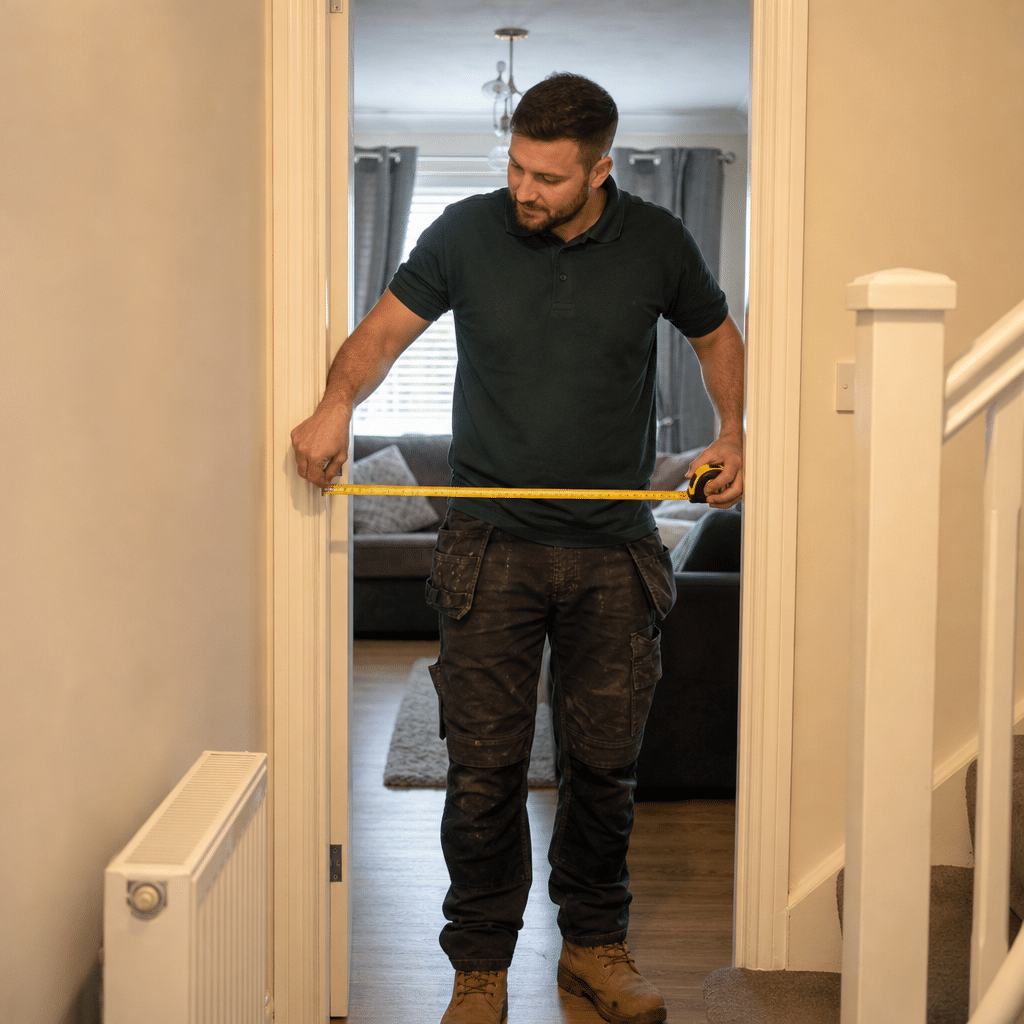
A man and van suits this kind of job well: one vehicle, one or two people, a short local trip. The catch is that “man and van” can mean a driver who only drives, or it can mean a two-person team with blankets and straps. Confirm which one you are booking.
Removals firms bring bigger crews and more formal processes. For one sofa, you may end up paying for capacity you do not use, and some firms have minimum charges or need more notice. They are worth considering for valuable or unusually heavy pieces.
Self-drive hire gives you control over timing, but you carry all the lifting risk, plus fuel, insurance excess and the time it takes to collect and return the van. Our guide to self-drive van hire versus man and van covers this in more depth.
Our view: if you do not have a reliable second person, a two-person man and van is the safer choice. Saving money on the van is a poor trade for a strained back on the stairs.
Many furniture retailers offer their own delivery, and some will take your old sofa away. Compare their price and delivery window against a man and van before you book anyone separately.
These platforms save you ringing round, but they work in different ways. That affects who you deal with on the day.
Man & Van is a mobile app that connects users with independent drivers. Its stated process is: upload a job, receive quotes from rated drivers, choose one and pay online. Best for: comparing several driver quotes on one job. Watch out: each driver is independent, so check what each quote covers.
Shiply describes itself as a marketplace where customer-rated courier companies compete for your work. Its furniture delivery page covers getting quotes, assessing companies and preparing furniture. Best for: furniture courier quotes. Watch out: check the terms of the individual provider you pick.
AnyVan covers removals, courier services and delivery, and describes its pricing as based on your inventory. Best for: single items priced from an item list. Watch out: make sure the list you give matches the real job. Its moving insurance guide explains the different types of cover.
Compare My Move is built for people moving home, so it is a poor fit for a single sofa.
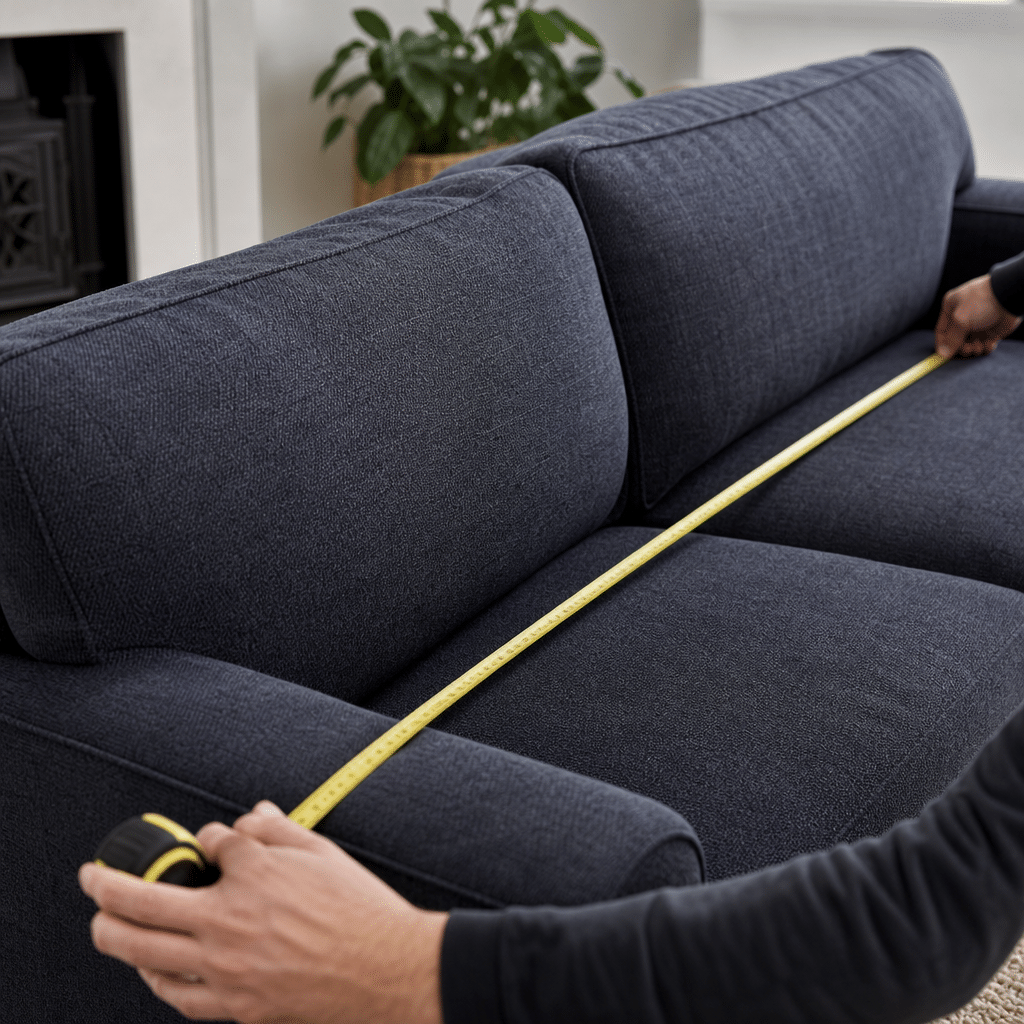
Delivery days often go wrong at the doorway, not in the van. Ten minutes with a tape measure can save you a wasted booking.
If the sofa’s depth or height is less than the door width, it can usually go through on its side. If not, check whether the legs, back or arms come off. Send the measurements and photos to every provider. If it still will not fit, do not let anyone force it through. Taking a door off its hinges or removing a window are your fallback options.
There is no official UK average price for moving a single item, so judge real quotes against the factors below.
| Cost factor | Why it changes the price | Source |
|---|---|---|
| Number of helpers | Two people usually cost more per hour than one. | estimate |
| Floors and stairs | More time and effort to carry, and some providers add a charge. | estimate |
| Access and carry distance | A long walk from the van adds time. | estimate |
| Parking | Permits, bay suspensions or pay-and-display costs. | estimate |
| Minimum booking | A short job may be charged as a longer minimum. | estimate |
| Distance, time and traffic | Driving time is often billed. | estimate |
| Item size, weight, dismantling | Extra handling and reassembly take extra time. | estimate |
Say you are moving a three-seater from a second-floor flat with no lift, about 5 miles across town. These figures are made up for illustration only. A provider quotes a two-person rate of £R per hour, with a two-hour minimum. The job takes about 1.5 hours, so you pay for 2 hours: 2 × £R. Add parking of, say, £P. Your total is 2 × £R + £P, plus any stair charge.
Compare that total with a fixed quote. Once you add the minimum and the parking, a fixed price that looked higher can turn out cheaper. For more ideas, read our guide to finding a cheaper man and van.
Check whether either address has permit-only parking, and whether your council offers bay suspensions. In London, and in cities with clean air zones, ask whether any zone charge is included in the quote or will be added on top.
Get the answers in writing. An email or an in-app message is fine.
Read recent reviews for similar jobs, such as sofas and stairs, not just the overall score. Look at how drivers respond to complaints. On the day, ask the driver for ID and check that the vehicle matches what you were told.
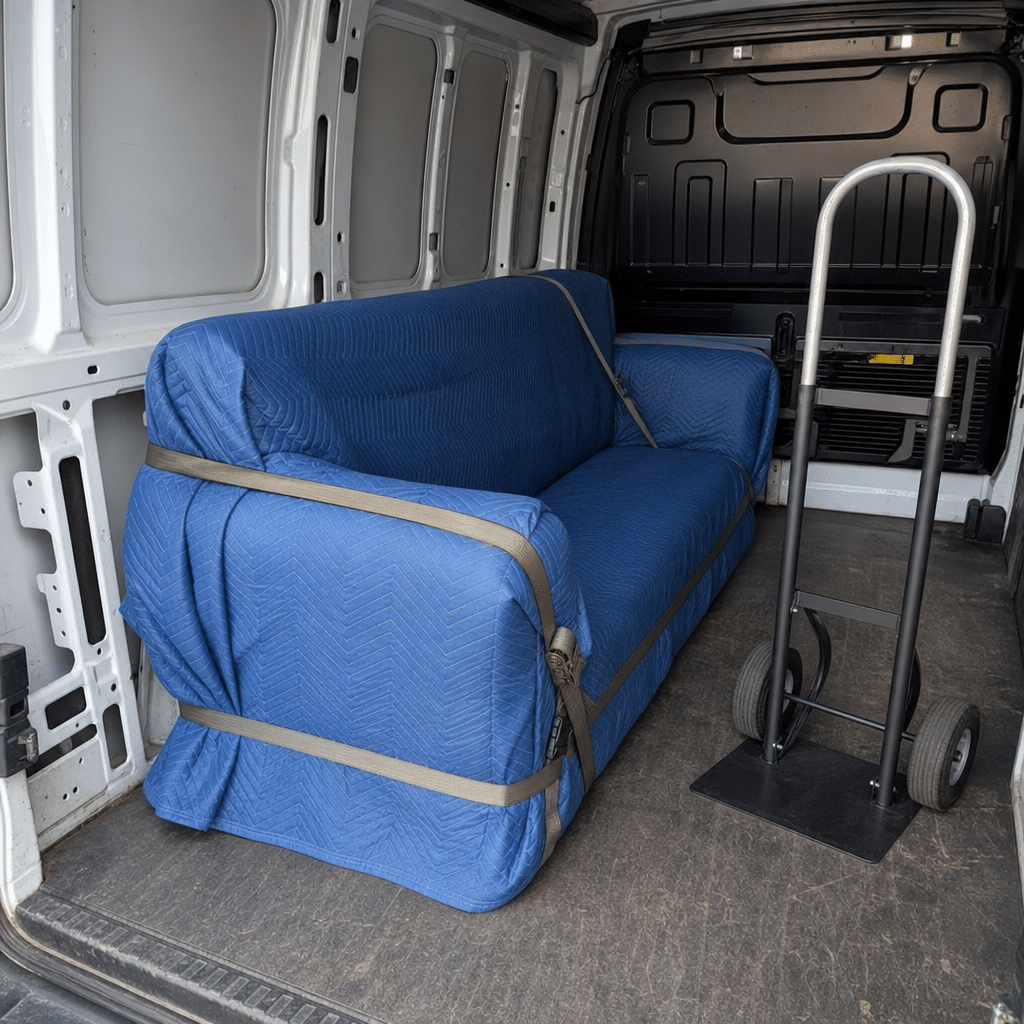
For lifting technique, see our tips for moving heavy items.
Before you move a sofa across town, get quotes from two or three sources: a local firm, an app and a marketplace. Send each one the same measurements, photos and access details. Then compare them on what is covered, minimum hours, helpers, parking and cancellation terms, and choose the one that covers the whole job.
For most sofas, it is not a good idea. The HSE sets no safe weight limit, and its guidance says furniture without wheels is harder to push or pull than wheeled items. A sofa is bulky and awkward to grip, so plan for two people lifting or use suitable equipment.
Take off the legs and loose cushions where you can. This makes the sofa lower and lighter, and stops the legs snapping. Bag the screws and tape them to the frame. Only remove the arms or back if the sofa is designed to come apart.
Usually two for a standard two- or three-seater. A large corner sofa or a staircase with tight turns may need three. Tell your provider about floors and carry distance, and get written confirmation of who will lift.
Measure the sofa’s diagonal depth and the door width with the door open. If it still does not fit, remove the legs, take the door off its hinges or detach the arms if they come off. Do not force it through. Removing a window is a job for specialists.
There is no official UK average. The price depends on the number of helpers, stairs, access, parking, minimum hours and distance. Get two or three quotes for the same job and compare the totals.
If it is not going to a new home, book your council’s bulky waste collection or a licensed waste carrier. Some retailers also take your old sofa away when they deliver a new one.
